What Is a Bank Card? Types, Uses, and Benefits Explained
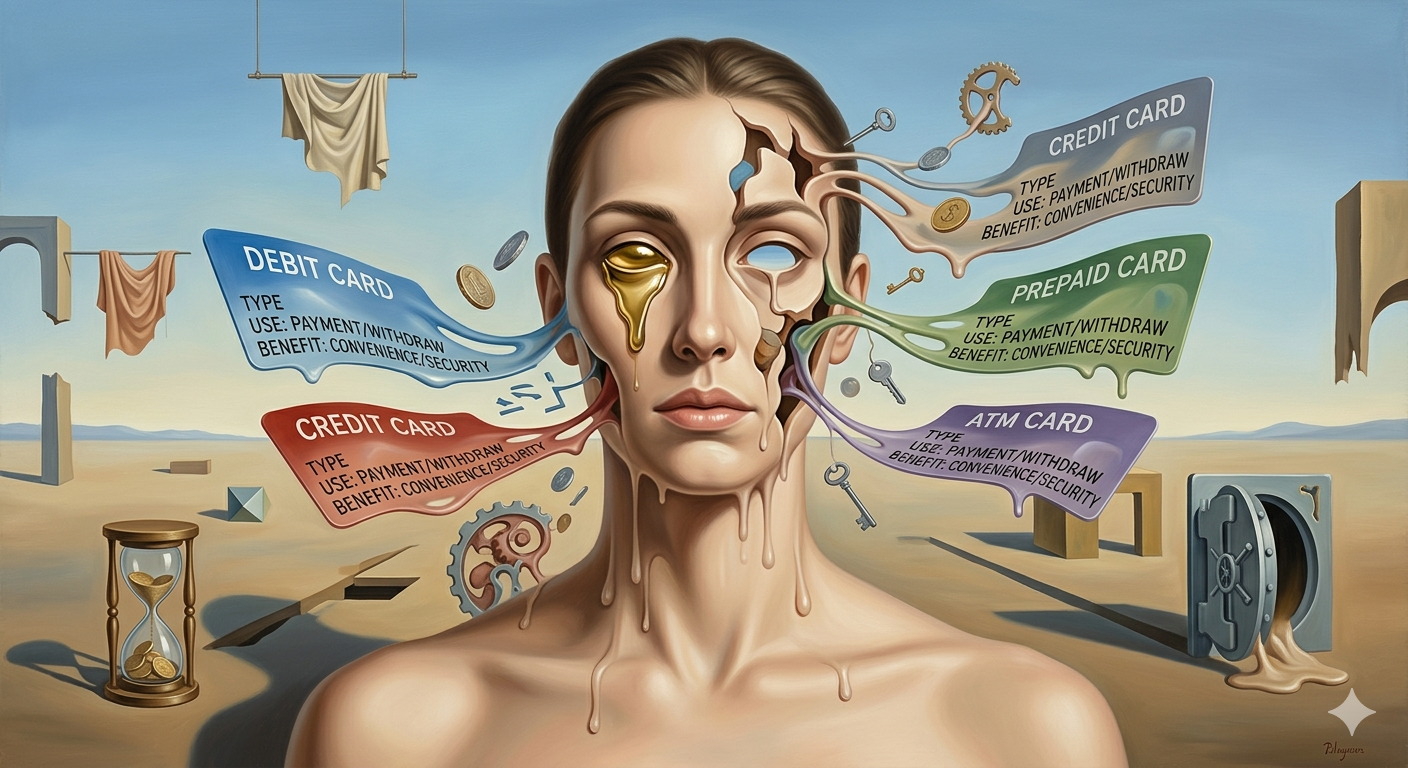
In today’s digital world, a bank card has become an essential financial tool for everyday transactions. Whether you are shopping online, withdrawing cash from an ATM, paying utility bills, or making contactless payments in stores, bank cards make everything faster and more convenient. A bank card is issued by a financial institution and is linked either to your bank account or to a credit facility, allowing you to access funds securely and easily. Bank cards commonly include debit cards, credit cards, prepaid cards, and ATM cards. :contentReference[oaicite:0]{index=0}
In this guide, we will explain what a bank card is, the different types available, how it works, its common uses, and the major benefits of using one.
What Is a Bank Card?
A bank card is a plastic or virtual payment card issued by a bank or financial institution. It allows the cardholder to perform financial transactions such as cash withdrawals, online purchases, in-store payments, and fund transfers. Most modern bank cards come with an EMV chip, magnetic stripe, PIN protection, and contactless payment technology for added security and convenience. :contentReference[oaicite:1]{index=1}
Each bank card is linked to a financial source. For debit cards, it is your bank account balance. For credit cards, it is a pre-approved credit limit provided by the bank. The card contains important details like the card number, expiration date, CVV code, and cardholder name.
Types of Bank Cards
There are several types of bank cards, and each serves a different purpose. Understanding them can help you choose the right card for your needs.
1. Debit Card
A debit card is directly linked to your savings or current bank account. Whenever you make a payment or withdraw money, the amount is deducted instantly from your available account balance. Debit cards are widely used for ATM withdrawals, online shopping, POS payments, and mobile wallet linking. :contentReference[oaicite:2]{index=2}
2. Credit Card
A credit card allows you to borrow money from the bank up to a specific limit. You can use it for shopping, bill payments, travel bookings, and emergencies. At the end of the billing cycle, you need to repay the used amount. If not paid in full, interest charges may apply.
3. Prepaid Card
A prepaid card works on a loaded balance system. You add money to the card before using it. It is ideal for budgeting, gifting, travel, or controlling spending.
4. ATM Card
An ATM card is mainly designed for withdrawing cash, checking account balances, and basic ATM services. Some ATM cards may have limited shopping features depending on the bank.
5. Virtual Bank Card
A virtual card is a digital version of a bank card used mainly for online transactions. It provides extra security because the card details can be temporary or masked.
How Does a Bank Card Work?
When you use a bank card, the payment terminal or ATM communicates with your bank through secure payment networks such as Visa or Mastercard. The system verifies your card details, checks your PIN or CVV, and confirms whether sufficient funds or credit are available. Once approved, the transaction is processed instantly.
For online payments, you typically enter the card number, expiry date, and CVV code. Many banks also use OTP (One-Time Password) verification for extra protection.
Common Uses of a Bank Card
Bank cards are extremely versatile and can be used in many ways, including:
- Cash withdrawal from ATMs
- Online shopping and eCommerce payments
- In-store POS machine payments
- Mobile wallet top-ups
- Utility bill payments
- Subscription services like Netflix or Spotify
- Hotel, flight, and travel bookings
- International transactions
- Contactless tap payments
Because of this flexibility, bank cards have become one of the most widely used payment methods worldwide.
Benefits of Using a Bank Card
Using a bank card offers many advantages over carrying cash.
1. Convenience
You can make payments anytime without needing physical cash. This makes shopping, travel, and bill payments much easier.
2. Better Security
Bank cards offer PIN security, EMV chip protection, OTP verification, and fraud monitoring systems. If lost, the card can be blocked instantly.
3. Faster Transactions
Payments are completed within seconds, especially with tap-to-pay and contactless cards.
4. Worldwide Acceptance
Most bank cards are accepted globally, allowing easy international travel and online purchases.
5. Expense Tracking
Every transaction is recorded in your bank statement, making budgeting and expense management easier.
6. Rewards and Cashback
Many credit and debit cards offer cashback, reward points, discounts, and travel benefits.
7. Reduced Need for Cash
With a bank card, you don’t need to carry large amounts of money, reducing theft risk.
Bank Card Safety Tips
To keep your bank card secure, always follow these safety tips:
- Never share your PIN or CVV
- Use OTP verification whenever available
- Enable transaction alerts
- Block the card immediately if lost
- Avoid using cards on unsecured websites
- Check ATM machines for skimming devices
Conclusion
A bank card is one of the most important tools in modern banking. From ATM withdrawals to online shopping and global travel, it provides unmatched convenience, speed, and security. Whether you choose a debit card for daily spending, a credit card for rewards, or a prepaid card for budgeting, understanding the types, uses, and benefits of bank cards helps you make smarter financial decisions.
As digital payments continue to grow, bank cards will remain a reliable and essential part of personal finance management.